
"We are to trust His promises. When we come to him in faith, every petition enters the heart of God. When we have asked for his blessing, we should believe that we receive it, and thank Him that we have received it. Then we are to go about our duties, assured that the blessing will be realized when we need it most. When we have learned to do this, we shall know that our prayers are answered. God will do for us exceeding abundantly. "
No cow stood in the yard when Mother returned home from the market. Mother looked around the yard. No cow. She knew her two small children were waiting for her in the house. Tears filled her eyes. How could she tell them that the cow, their only source of income, had been stolen? Without the cow, they would die.
Mother decided not to tell the children. She didn't want them to see her tears. Walking over to some bushes, she poured out her heart to God. She reminded Him that her husband, a Seventh-day Adventist pastor, had been arrested for keeping the Sabbath and sentenced to eight years of hard labor far from their home in the then-southern Soviet republic of Tajikistan. She thanked God for the now stolen cow, whose milk she had traded for flour, potatoes, carrots, onions, garlic, tomatoes, and cucumber sat the village market.
"What next?" she wept. "How can my children and I survive?" As she cried and prayed, she looked at the bushes and saw something caught in the branches. She looked closer and saw that it was a bank note for a large sum of money. "Thank You, God!" she prayed. "You have sent money to buy another cow."
Mother dried her tears and returned to the market to look for another cow. But every seller wanted more money than she had found in the bushes. Finally, a man agreed to lower his price. "l will give you my cow for the amount of money that you have," he said. It was the smallest, scrawniest cow in the market. Mother handed over the money and took the cow home. "God, this cow is in Your hands," she prayed. At home, Mother fed the cow, and the two children played with it. With food and love, the cow grew and grew. Before long, it was producing twice as much milk as the cow that was stolen."
God saved our lives during this difficult time," said Liubov Brunton, the granddaughter of the mother in the story. She said the miracle with the milk serves as a powerful reminder that God protects and cares for His mission workers, no matter where and when they serve.
But the story of the cow didn't end there. Liubov's grandmother was about to witness another miracle. After someone stole the family cow, Mother got a dog to watch their new cow. Mother also wanted the dog to guard the tithe: a big bucket of butter.
Father, a Seventh-day Adventist pastor, was far away in a Soviet labor camp on charges of keeping the Sabbath. The cow was the only source of income for Mother and her two small children in the then-southern Soviet republic of Tajikistan. Mother milked the cow and exchanged the milk for food at a market. Mother also set aside 10 percent of the milk as tithe, churning it into butter and storing it in a bucket. When the bucket was full, she sold it.
One day, Mother milked the cow and told the two children to wait as she went to the market. "Don't open the door," she said. She checked that the bucket of butter was near the dog, who was tied up in the yard, and she left.
The children waited and waited. Then the gate opened, and a stranger entered the yard. The dog didn't bark. The man, who was wearing Muslim clothes, walked over to the dog. It was as if the dog didn't see him. The man picked up the butter bucket, turned around, and left. Later, the children excitedly told Mother about the man. No one understood what had happened.
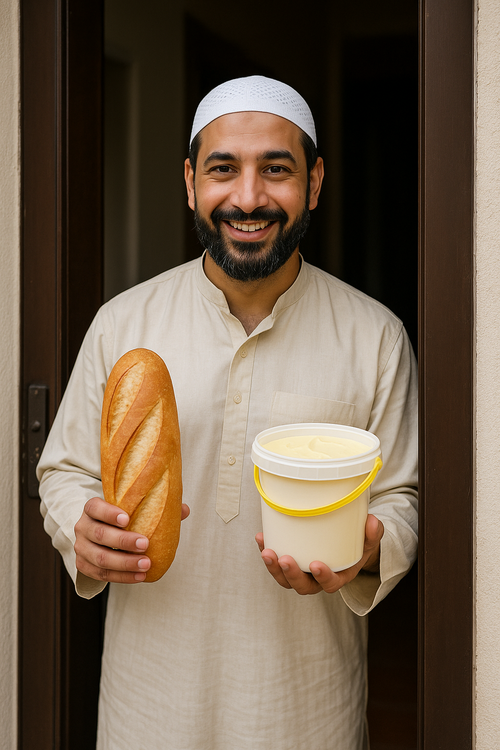
Many years passed. Father was freed from the labor camp and resumed his duties as a pastor. He and Mother had five more children. Their eldest daughter, Nina, married and had children of her own. She also got a job, cleaning the offices of a fertilizer company. Now to get paid, Nina had to go to the company's accountant. One day, as she was waiting for her salary, she told the accountant about the bucket of butter. The accountant listened politely until Nina described seeing the man in Muslim clothes. The accountant blurted out, "When did that happen?" Nina told her. The accountant began to cry. "Do you want to know how the story ended?" she asked. She said she and her four siblings grew up in Siberia. Their parents were killed during World War II, and they lived with their grandmother. Times were tough, and the day came when the food ran out. Grandmother called the five children to pray around the empty table. After praying, a knock sounded on the door. Outside stood a man wearing Muslim clothes. In one hand, he held a bucket of butter. In the other, he held a loaf of bread.
At the fertilizer company, the accountant begged Nina to tell her more about God. In time, the accountant and her daughter gave their hearts to Jesus and joined the Adventist Church.
To this day, no one knows the identity of the mysterious man. But Liubov Brunton, Nina's daughter, has no doubt that he was an angel.
"For an angel, it took only a split second to transport the bucket of butter from Tajikistan to Siberia," she said. "I just wonder where the angel found the bread. I can't wait to get to heaven to hear the rest of the story."
The Milk Miracle by Andrew McChesney. Publish in 2025, Q2 Adult Sabbath School Quarterly
Mother decided not to tell the children. She didn't want them to see her tears. Walking over to some bushes, she poured out her heart to God. She reminded Him that her husband, a Seventh-day Adventist pastor, had been arrested for keeping the Sabbath and sentenced to eight years of hard labor far from their home in the then-southern Soviet republic of Tajikistan. She thanked God for the now stolen cow, whose milk she had traded for flour, potatoes, carrots, onions, garlic, tomatoes, and cucumber sat the village market.
"What next?" she wept. "How can my children and I survive?" As she cried and prayed, she looked at the bushes and saw something caught in the branches. She looked closer and saw that it was a bank note for a large sum of money. "Thank You, God!" she prayed. "You have sent money to buy another cow."
Mother dried her tears and returned to the market to look for another cow. But every seller wanted more money than she had found in the bushes. Finally, a man agreed to lower his price. "l will give you my cow for the amount of money that you have," he said. It was the smallest, scrawniest cow in the market. Mother handed over the money and took the cow home. "God, this cow is in Your hands," she prayed. At home, Mother fed the cow, and the two children played with it. With food and love, the cow grew and grew. Before long, it was producing twice as much milk as the cow that was stolen."
God saved our lives during this difficult time," said Liubov Brunton, the granddaughter of the mother in the story. She said the miracle with the milk serves as a powerful reminder that God protects and cares for His mission workers, no matter where and when they serve.
But the story of the cow didn't end there. Liubov's grandmother was about to witness another miracle. After someone stole the family cow, Mother got a dog to watch their new cow. Mother also wanted the dog to guard the tithe: a big bucket of butter.
Father, a Seventh-day Adventist pastor, was far away in a Soviet labor camp on charges of keeping the Sabbath. The cow was the only source of income for Mother and her two small children in the then-southern Soviet republic of Tajikistan. Mother milked the cow and exchanged the milk for food at a market. Mother also set aside 10 percent of the milk as tithe, churning it into butter and storing it in a bucket. When the bucket was full, she sold it.
One day, Mother milked the cow and told the two children to wait as she went to the market. "Don't open the door," she said. She checked that the bucket of butter was near the dog, who was tied up in the yard, and she left.
The children waited and waited. Then the gate opened, and a stranger entered the yard. The dog didn't bark. The man, who was wearing Muslim clothes, walked over to the dog. It was as if the dog didn't see him. The man picked up the butter bucket, turned around, and left. Later, the children excitedly told Mother about the man. No one understood what had happened.
Many years passed. Father was freed from the labor camp and resumed his duties as a pastor. He and Mother had five more children. Their eldest daughter, Nina, married and had children of her own. She also got a job, cleaning the offices of a fertilizer company. Now to get paid, Nina had to go to the company's accountant. One day, as she was waiting for her salary, she told the accountant about the bucket of butter. The accountant listened politely until Nina described seeing the man in Muslim clothes. The accountant blurted out, "When did that happen?" Nina told her. The accountant began to cry. "Do you want to know how the story ended?" she asked. She said she and her four siblings grew up in Siberia. Their parents were killed during World War II, and they lived with their grandmother. Times were tough, and the day came when the food ran out. Grandmother called the five children to pray around the empty table. After praying, a knock sounded on the door. Outside stood a man wearing Muslim clothes. In one hand, he held a bucket of butter. In the other, he held a loaf of bread.
At the fertilizer company, the accountant begged Nina to tell her more about God. In time, the accountant and her daughter gave their hearts to Jesus and joined the Adventist Church.
To this day, no one knows the identity of the mysterious man. But Liubov Brunton, Nina's daughter, has no doubt that he was an angel.
"For an angel, it took only a split second to transport the bucket of butter from Tajikistan to Siberia," she said. "I just wonder where the angel found the bread. I can't wait to get to heaven to hear the rest of the story."
The Milk Miracle by Andrew McChesney. Publish in 2025, Q2 Adult Sabbath School Quarterly